 By
By 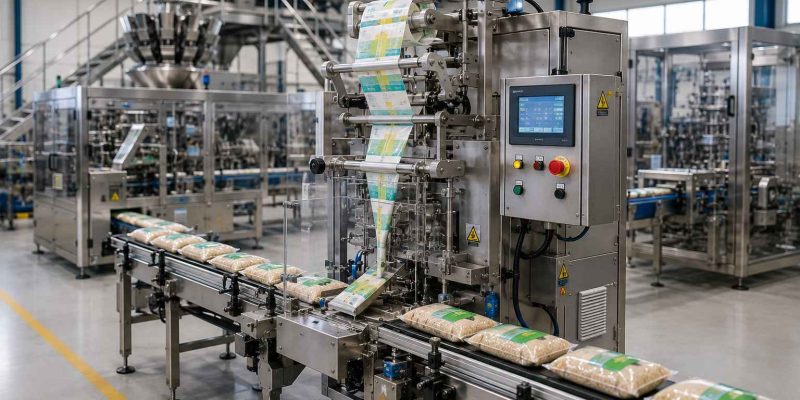
Nobody really thinks about their packaging line until it stops working right. A machine jams halfway through a big order, a seal fails and an entire batch gets rejected, or downtime just quietly eats away at your busiest week of the year. And when that happens, the question that usually comes up isn’t “why did the machine break” — it’s “why did we buy this machine from this company in the first place.”
That’s the thing about packaging equipment. It’s easy to treat it like any other purchase — get a few quotes, pick whichever one fits the budget best, move on with your day. But this isn’t a one-time transaction. It’s a machine that’s going to run on your floor every single day, and the company behind it keeps affecting your operation long after the invoice is paid.
So let’s actually get into why the manufacturer matters as much as the machine, and what’s worth checking before you commit to one.
Same specs on paper doesn’t mean same machine
Here’s something that trips people up a lot: two packaging machines can look nearly identical on a spec sheet and still perform completely differently once they’re actually installed and running. Specs tell you what a machine is supposed to do. They don’t tell you how it was built, what components went into it, or how much real testing happened before it left the factory floor.
Manufacturers who’ve been doing this a long time have usually already run into the weird problems — jams caused by a specific packaging material, seals that wear faster than expected, calibration drift that only shows up after a few months of continuous use. None of that shows up in a brochure. It shows up later, in how often your line keeps running versus how often it doesn’t.
Downtime is expensive in ways that aren’t obvious upfront
When a packaging machine manufacturers goes down, the repair bill is honestly the smaller part of the problem. You’ve also got lost production hours, delayed shipments, sometimes wasted product, and the occasional awkward call to a customer explaining why their order is late. A few bad hours during a busy run can cost you more than the machine did.
This is really why manufacturer reliability ends up mattering so much. A well-engineered machine from a manufacturer that actually has decent quality control just breaks down less. And when something does go wrong — because something eventually will — a manufacturer with real support behind them gets you moving again in hours, not days.
There isn’t one machine that fits everything
Packaging equipment isn’t a universal thing, and a manufacturer worth their salt understands that instead of pushing whatever they’ve got the most of in stock. What you actually need depends heavily on your product and how you’re packaging it.
- Form-fill-seal machines for pouches, sachets, and flexible packaging
- Cartoning machines for products going into boxes at scale
- Filling and capping systems for liquids, powders, or granular products
- Labeling and coding equipment, which usually needs to work with whatever’s already on your line
A manufacturer that actually asks about your product, your materials, your target speed — that’s a good sign. One that recommends the same setup to everyone regardless of what you tell them is probably just trying to close the sale.
Build quality shows up in daily performance, not just lifespan
People tend to think build quality is mostly about how long a machine lasts before it needs replacing. But it actually shows up much sooner than that, in the day-to-day consistency of the output. Cheaper components drift out of calibration faster. Seals wear unevenly. You end up with inconsistent fill levels or seal strength that isn’t quite where it should be, and you don’t always notice until a customer does.
Ask about the materials and components used, especially in high-wear parts like seals, motors, and sensors. A manufacturer confident in what they’ve built will talk you through it without hesitating. One that gets vague or changes the subject is telling you something too.
Certifications aren’t just paperwork to skim past
Depending on your industry — food, pharma, cosmetics, general consumer goods — there’s usually a set of standards your packaging equipment needs to meet. ISO, CE, FDA, whatever applies to your region and product. These matter because they mean someone independent actually reviewed the machine, not just the manufacturer telling you it’s fine.
Ask for the actual documentation. If it’s hard to get, or the manufacturer seems oddly reluctant to share it, that’s worth paying attention to.
Automation is only as good as how it holds up under real conditions
Most packaging machines these days lean on automation for speed and consistency. But there’s a real gap between manufacturers who build genuinely solid PLC-based control systems and ones who bolt on basic automation that looks fine in a sales demo and struggles once it’s actually running at full speed on a real production line.
Ask how the automation performs at your intended output, not the speed shown in a promo video. And ask whether it plays nicely with whatever else is already on your floor, since packaging almost never happens in isolation from the rest of your line.
The real test is what happens after the sale
Anyone can sound helpful while they’re trying to close a deal. The real character of a manufacturer shows up six months later, when a part wears out or the machine starts acting strange. Do they have technicians nearby, or are you waiting on someone to fly in from somewhere else entirely? How fast can you actually get spare parts? Will they train your team so small issues don’t turn into big ones?
Honestly, this is probably the most overlooked part of the whole decision. A manufacturer that goes quiet after you’ve paid can turn a minor issue into a week of lost production. It’s also usually the thing that matters most once the excitement of the new machine wears off and it just becomes part of your daily operations.
The cheapest quote rarely tells the full story
It’s tempting to just line up a few quotes and go with the smallest number. But price alone doesn’t tell you much. It might mean weaker components, no installation help, a shorter warranty, or a machine that quietly costs more to run every month through higher energy use.
Look at the bigger picture instead — what’s actually included, how long the warranty covers you, how efficient it is to operate, and how often machines from that manufacturer tend to need repairs. Sometimes the pricier option ends up being the cheaper one once you add it all up over a few years.
Talk to someone who’s actually using one
A manufacturer’s website is always going to make things sound great — that’s just how marketing works. What actually tells you something is talking to a real customer, ideally one running a similar volume or product to yours. Ask the manufacturer to connect you with a couple of references.
A short conversation with someone who’s had the machine running for a year or two will tell you more than any spec sheet could. Ask them straightforwardly: how often does it break down, and would you buy from this company again?
Where this all lands
Choosing the right packaging machine manufacturer isn’t really about finding a machine that works fine on day one. It’s about finding a company whose build quality, support, and honesty about their own product match what your business is going to need for years, not just for the first few months.
Ask the harder questions. Get the certifications in writing. Actually talk to a customer before you sign anything. Get it right, and your packaging line just quietly does its job in the background. Get it wrong, and it becomes the thing you’re troubleshooting every other week — which, if you’ve been through it once, you already know isn’t worth risking twice.