 By
By 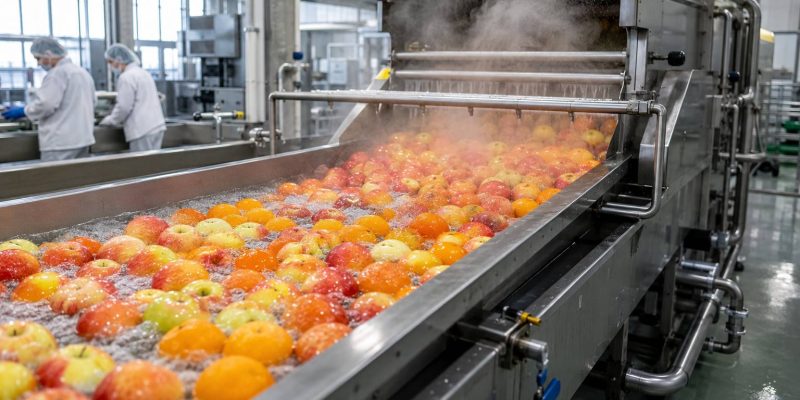
Introduction
In today’s food processing industry, maintaining hygiene and product quality is essential. Whether supplying fresh produce to retailers or processing fruit for juice and packaged foods, businesses need efficient cleaning systems to meet food safety standards and customer expectations. Industrial fruit washer machine are designed to handle this challenge by delivering fast, consistent, and hygienic cleaning.
In this blog, we will look closely at what an industrial fruit washing machine does, its key features, the benefits it brings to food businesses, and the different industries that rely on this equipment daily.
What Is an Industrial Fruit Washer Machine?
An industrial fruit washer machine is heavy-duty equipment used to clean fruits (and often vegetables) on a large scale. Unlike washing fruit by hand in a sink or tub, this equipment uses water jets, bubble agitation, brush rollers, or air bubbles to gently but thoroughly remove unwanted particles from the surface of fruit.
These machines are commonly used in:
- Fruit packing and export units
- Juice and beverage processing plants
- Frozen food and canning factories
- Fresh produce supply chains
- Organic farming and cooperative processing centers
Whether it’s apples, oranges, grapes, tomatoes, or leafy greens, a fruit cleaning machine is built to handle different shapes, sizes, and skin sensitivities of produce.
Key Features of a Fruit Washing Machine
Not every fruit washing machine on the market is the same. But the good ones – the ones actually worth your money – tend to share a few common features. Here’s what to look for.
1. Bubble or Air Agitation Washing
A lot of fruit washers these days use bubbles to do the heavy lifting. Air gets pumped into the water, creating little bubbles that swirl around and gently knock dirt and residue off the fruit’s skin. No scrubbing needed. This is great news for soft fruits like berries or grapes, which can bruise if you’re too rough with them.
2. Multi-Stage Cleaning Process
Think of it like washing dishes – you don’t just rinse and call it done. A solid commercial fruit washer usually takes the fruit through a few steps: first a soak, then a rinse, then some brushing, and one more rinse at the end. By the time it’s done, even tough stuff like wax coatings or leftover chemical residue is gone.
3. Conveyor-Based Transport System
You won’t find workers hauling baskets of fruit around. Instead, a conveyor belt carries the produce through the entire washing process automatically. This isn’t just convenient – it cuts down on labor and keeps people’s hands off the fruit, which means less chance of contamination.
4. Adjustable Water Pressure and Flow
Not every fruit can handle the same treatment. A strawberry needs a soft touch, while something sturdier like a potato or an apple can take a stronger blast of water. Good machines let you dial the pressure up or down depending on what you’re washing.
5. Stainless Steel Construction
Open up almost any industrial fruit cleaning equipment and you’ll find stainless steel doing the work. It doesn’t rust, it’s easy to wipe down and sanitize, and it ticks the boxes for food safety standards almost everywhere.
6. Water Recycling and Filtration
Washing fruit uses a lot of water, and that adds up on the utility bill. That’s why many machines now have filters built in – they clean the water after it’s used so it can be sent through the system again instead of being thrown away. Good for your wallet, and good for the planet too.
Benefits of Using an Industrial Fruit Washer
Switching from manual washing to an automated fruit washing machine offers several real advantages for food businesses of all sizes.
Improved Hygiene and Food Safety
Automated washing significantly reduces the chances of contamination compared to manual handling. With consistent water pressure, sanitizing agents, and controlled processes, the fruit reaches a much higher standard of cleanliness, which is critical for compliance with food safety regulations.
Higher Processing Speed
A single industrial fruit washer machine can clean hundreds of kilograms of fruit per hour, something that would require a large manual workforce to achieve. This speed is particularly valuable for businesses dealing with seasonal harvests where time is limited.
Reduced Labor Dependency
Labor shortages and rising wages are common concerns in the food processing industry. Automating the washing stage reduces dependency on manual labor and allows existing staff to focus on other important tasks like sorting, grading, and packaging.
Less Product Damage
Gentle bubble washing and adjustable pressure settings mean fruit is cleaned without unnecessary bruising or skin damage. This helps maintain the visual quality of the produce, which is especially important for fruit meant for retail display or export.
Consistent Output Quality
Manual washing can vary from one batch to another depending on who is doing the work. A fruit cleaning machine delivers the same cleaning standard every time, helping maintain consistent quality across large production runs.
Cost Savings Over Time
While the upfront investment in fruit washer equipment may seem high, the long-term savings on labor, water usage, and reduced product wastage often make it a cost-effective choice within a relatively short period.
Applications Across Different Industries
Industrial fruit washing equipment isn’t limited to just one type of business. Its applications span across multiple sectors of the food and agriculture industry.
Fresh Produce Exporters:
Before fruit is packed for international shipping, it must be free from dirt, pesticide traces, and surface contaminants. A fruit and vegetable washer ensures export-grade cleanliness.
Juice and Beverage Manufacturers:
Clean raw material is the foundation of a safe and good-tasting juice product. Washing fruit thoroughly before pressing or extracting juice prevents unwanted flavors and contamination.
Frozen and Canned Food Producers:
Before fruit is frozen, canned, or processed further, it needs to be properly cleaned to extend shelf life and maintain product safety.
Wholesale Markets and Cooperatives:
Large fruit markets and farmer cooperatives often use mid-sized washing machines to prepare produce in bulk before it reaches retailers.
Organic Farms:
Even without synthetic pesticides, organic produce still needs cleaning to remove soil, insects, and natural debris before reaching consumers.
Choosing the Right Fruit Washer for Your Business
When selecting an industrial fruit cleaning machine, consider factors such as:
- The type and volume of fruit you process daily
- Available floor space in your facility
- Water and energy efficiency needs
- Whether you need a standalone washer or an integrated line with sorting and drying
Investing time in choosing the right equipment ensures smoother operations and better returns in the long run.
Final Thoughts
Investing in the right industrial fruit washer machine is an investment in product quality, food safety, and operational efficiency. Whether you operate a fruit packing facility, juice processing plant, or export business, choosing the right washing equipment can improve productivity, reduce operating costs, and help your products consistently meet market and regulatory standards.
If you are planning to upgrade your fruit processing line, understanding these features and benefits will help you make a smarter, more informed decision for your business.