 By
By 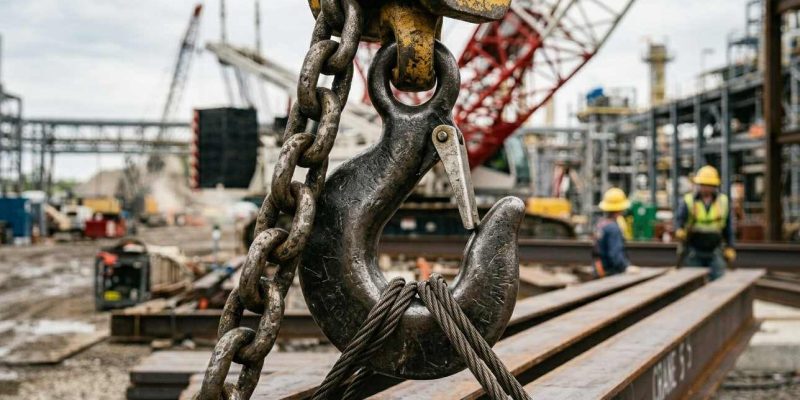
Introduction
In modern industrial environments, cranes play a critical role in moving heavy loads efficiently and safely. From construction sites and manufacturing plants to shipping yards and warehouses, cranes are used wherever heavy lifting is required. But while cranes often get the spotlight, one small yet extremely important component ensures the entire lifting process remains safe and stable – the lifting hooks.
Over the years, lifting hook technology has evolved significantly. Today, new designs and engineering improvements are making crane operations safer, more reliable, and more efficient than ever before. In this blog, we explore the top innovations in lifting hooks that are transforming industrial lifting operations.
Why Lifting Hooks Matter in Crane Operations
Although small in size, lifting hooks play a critical role in handling heavy materials such as steel structures, machinery, containers, and construction equipment.
Because it carries so much weight, even a small problem in the hook can be dangerous. It can cause accidents, damage equipment, or stop the work. That is why people try to make lifting hooks more safe and strong.
Today, lifting hooks are made with strong metal and better design. Many hooks also have safety parts to help lift heavy loads safely and easily.
High Strength Alloy and Forged Hook Materials
One of the main improvements in lifting hooks is the use of strong alloy steel and better forging methods.
Earlier, hooks were made from normal steel. That type of steel could bend, crack, or get weak when used for heavy lifting work. It was not always safe for tough jobs.
Now, lifting hooks are made with strong alloy steel and better shaping methods. This improves load capacity and ensures reliable performance in demanding operating conditions.
These materials offer:
- Higher load-bearing capacity
- Improved resistance to wear and fatigue
- Longer operational life
- Better performance in continuous heavy-duty use
This innovation has significantly reduced the chances of structural failure in crane operations.
Safety Latch Mechanism for Load Security
Another important improvement is the safety latch system. In older hooks, there was a chance that the load could slip out if it moved suddenly. This made lifting operations less secure.
Now, lifting hooks come with automatic or spring-type safety latches. These latches keep the load tightly fixed in the hook during lifting, moving, and placing, so there is less chance of accidents and work becomes much safer.
Key benefits include:
- Prevention of accidental load release
- Improved operator safety
- Better control during dynamic lifting operations
- Compliance with industrial safety standards
This simple yet powerful feature has greatly improved crane safety in construction and industrial environments.
Swivel Hooks for Better Load Control
Load turning during lifting can be a problem, especially when the load is big or not balanced.
To address this issue, industries increasingly use swivel lifting hooks. These hooks can turn easily, so the load does not twist much. This makes lifting safer and easier to control.
Swivel hooks allow 360-degree rotation, which helps:
- Reduce twisting of chains or ropes
- Improve load positioning accuracy
- Minimize stress on crane components
- Enhance operator control during lifting
This innovation is especially useful in shipyards, manufacturing plants, and heavy assembly operations where precision is important.
Wear-Resistant Coatings and Surface Treatment
Lifting hooks are used in rough places like dust, water, chemicals, and hot or cold weather. These can damage the hook over time.
To improve this, hooks are covered with a special coating. This coating protects them from rust and damage, so they stay strong and safe for a long time.
These include:
- Anti-corrosion coatings
- Heat-treated surfaces
- Powder coating for extra protection
These treatments help prevent rusting, cracking, and surface damage, ensuring long-term reliability even in demanding industrial conditions.
Smart Lifting Hooks with Load Monitoring Technology
One of the most advanced innovations in recent years is the introduction of smart lifting hooks equipped with sensors and load monitoring systems.
These intelligent hooks can:
- Measure real-time load weight
- Alert operators if weight exceeds safe limits
- Track lifting performance data
- Improve predictive maintenance planning
By providing live feedback, smart lifting hooks reduce human error and significantly enhance crane safety systems. This technology is especially valuable in large-scale industrial operations where precision and safety are critical.
Ergonomic and User-Friendly Designs
Modern lifting hooks are also designed with better usability in mind. Ergonomic improvements make it easier for operators to attach and detach loads quickly and safely.
Features include:
- Improved grip design
- Lightweight but strong structure
- Faster connection mechanisms
- Reduced manual effort during operation
These design upgrades help improve productivity while reducing operator fatigue.
Heat and High-Load Resistant Engineering
Industries such as steel manufacturing and heavy fabrication often involve extreme heat and high-pressure lifting conditions. To meet these demands, lifting hooks are now engineered for high thermal resistance and heavy load endurance.
These hooks maintain their strength even under:
- High-temperature environments
- Continuous heavy lifting cycles
- Shock loading conditions
This innovation ensures reliability in some of the toughest industrial settings.
Importance of Regular Inspection and Maintenance
Even with advanced innovations, proper maintenance is still essential for safe crane operations. Regular inspection of lifting hooks helps detect early signs of wear, deformation, or cracking.
Industries now follow structured inspection routines that include:
- Visual checks before each use
- Load testing at scheduled intervals
- Replacement of worn-out hooks without delay
Combining modern lifting hook technology with proper maintenance ensures maximum safety and efficiency.
The Future of Lifting Hooks in Crane Operations
The future of lifting hooks is moving toward automation and intelligent safety systems. With the rise of Industry 4.0, we can expect even more advanced features such as:
- AI-based load prediction systems
- Fully integrated smart crane networks
- Real-time remote monitoring
- Self-diagnosing safety mechanisms
These advancements will further reduce risks and improve operational efficiency in industrial lifting systems.
Conclusion
Lifting hooks may look small in crane operations, but they are very important for safe and smooth work. They help in lifting heavy loads safely and improve overall performance.
With new improvements in materials, design, safety features, and smart technology, lifting hooks are now stronger and more reliable than before.
From strong forged hooks to smart load monitoring systems, every upgrade helps make lifting work safer and more efficient. As industrial operations continue to evolve, advanced lifting hook technologies will play an increasingly important role in improving crane safety, efficiency, and reliability.