 By
By 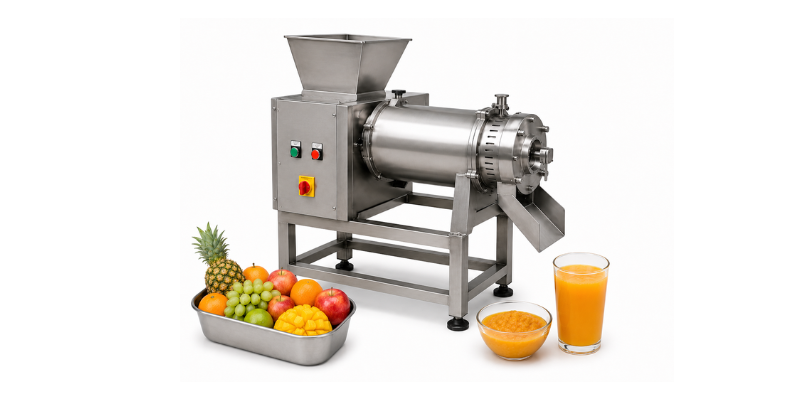
Introduction
The food processing industry is expanding fast, and with it comes a growing need for dependable fruit processing machines. Whether your business makes fruit juice, pulp, puree, jam, sauce, or canned fruit, the equipment you choose has a direct impact on how efficiently you work, how hygienic your output is, and how consistent your final product turns out to be.
Today’s fruit processing equipment is built to handle almost every stage of production automatically — washing, sorting, crushing, pulping, pasteurizing, filling, and packaging. For manufacturers, this means lower labor costs, less raw material wastage, and a production line that can scale as demand grows.
In this guide, we’ll walk through what a fruit processing machine actually does, the different types available, their benefits, common applications, and what to look for before you invest in one.
What Is a Fruit Processing Machine?
A fruit processing machine is industrial equipment used to turn fresh fruit into finished food and beverage products. Depending on the setup, this equipment can clean, peel, cut, crush, extract juice, produce pulp, pasteurize, and pack fruit — all while keeping food safety standards intact.
This kind of machinery is used across a wide range of settings, including:
- Juice manufacturing plants
- Pulp processing units
- Jam and jelly production lines
- Sauce and ketchup factories
- Beverage manufacturing facilities
- General food processing industries
- Commercial kitchens
- Fruit export businesses
Because fruit is a delicate, perishable raw material, the right fruit processing plant machinery needs to work quickly, minimize contact with contaminants, and preserve the natural taste and nutritional value of the fruit as much as possible.
Types of Fruit Processing Machines
Not every fruit needs the same treatment, so processing lines are usually built around a combination of machines. Here are the main types you’ll come across:
1. Fruit Washer Machine
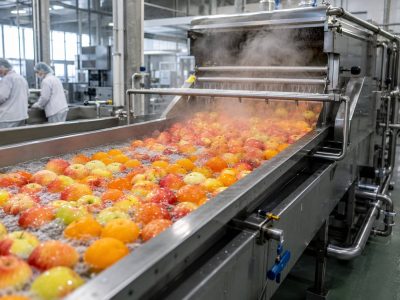
This is usually the first step in any line. It removes dirt, dust, pesticide residue, and other impurities from the fruit before it moves further down the process, which keeps the entire batch hygienic from the start.
2. Fruit Sorting Machine
Sorting equipment separates fruit by size, weight, color, and overall quality. This step matters because consistent raw material leads to a more consistent finished product, whether that’s juice, pulp, or canned fruit.
3. Fruit Crusher Machine
A crusher breaks the fruit down into smaller pieces, preparing it for juice extraction or pulping. This step increases the surface area of the fruit, which makes later stages more efficient.
4. Fruit Pulper Machine
A pulper separates the pulp from seeds, skins, and fibrous material, producing a smooth puree. This equipment is central to any pulp plant, especially for fruits like mango, tomato, and guava that are commonly processed into puree or concentrate.
5. Fruit Juice Extractor
Juice extraction equipment is designed to pull out the maximum amount of juice while keeping the natural flavor and nutrient content intact — an important balance for anyone producing packaged juice or nectar.
6. Pasteurizer
Pasteurization eliminates harmful microorganisms and extends the shelf life of the final product without significantly affecting its taste. This is a non-negotiable step for any business selling packaged fruit products.
7. Filling and Packaging Machine
The last stage typically involves automated filling into bottles, pouches, or cans. This keeps the process hygienic, consistent, and fast, especially at higher production volumes.
Many manufacturers now look for a complete fruit and vegetable processing plant rather than buying individual machines separately, since an integrated setup reduces handling time and keeps hygiene standards consistent across the whole line.
Key Benefits of Fruit Processing Machines
Switching from manual methods to modern fruit processing equipment brings several practical advantages:
- Higher production efficiency and output
- Reduced dependence on manual labor
- More consistent product quality batch after batch
- Improved food safety and hygiene
- Lower processing waste
- Faster production cycles
- Energy-efficient operation
- Easier cleaning and maintenance
- Longer equipment service life
- Better long-term return on investment
For growing businesses, these benefits add up quickly. A well-designed fruit processing machine doesn’t just save time — it also helps you meet the volume and consistency that retailers, exporters, and large buyers expect.
Applications: What Can Be Processed?
Fruit processing lines are suitable for a wide variety of produce, including:
Mango, apple, orange, pineapple, banana, guava, tomato, strawberry, grapes, pomegranate, and mixed fruit blends.
These machines are commonly used to produce:
- Fruit juice and nectar
- Fruit pulp and puree
- Jam and jelly
- Sauce and chutney
- Concentrate
- Canned fruit products
If your business handles more than one type of fruit, it’s worth looking for fruit processing machinery that can be adjusted or customized across different produce types, rather than committing to single-purpose equipment.
Features to Consider Before Buying a Fruit Processing Machine
Choosing the right equipment isn’t just about price. A few factors are worth checking carefully before you commit:
- Production capacity – Make sure the machine matches your current volume as well as your growth plans.
- Stainless steel construction – Food-grade SS 304 or SS 316 material is important for hygiene and durability.
- Automation level – Decide how much of the process you want automated versus manually controlled.
- Energy consumption – Energy-efficient machines reduce long-term operating costs.
- Food-grade components – All parts in contact with fruit should meet food safety standards.
- Cleaning and maintenance requirements – Easier-to-clean equipment saves downtime.
- Compliance with food safety standards – Look for machinery built in line with FSSAI, USFDA, MoFPI, or similar regulatory guidelines.
- Availability of technical support – A responsive manufacturer makes a real difference when something needs servicing.
- Future expansion capability – Equipment that can scale with your business avoids the cost of replacing machinery too soon.
Why Choose Modern Fruit Processing Machinery?
Upgrading to modern fruit processing plant equipment helps businesses in several ways: it increases production capacity, reduces operating costs, improves consistency across batches, and makes it easier to stay compliant with evolving food safety regulations. It also allows manufacturers to respond faster to market demand without compromising on quality.
Whether you’re setting up a new processing facility or upgrading an existing one, choosing equipment with a proven track record and reliable after-sales support makes the transition smoother and reduces the risk of costly downtime later on.
Maintenance Tips for Longer Equipment Life
Getting the most out of your fruit processing machine isn’t only about the initial purchase — it also depends on how well it’s maintained:
- Clean the equipment thoroughly after every production cycle.
- Inspect moving parts regularly for wear.
- Replace worn components before they cause bigger issues.
- Lubricate mechanical parts as recommended by the manufacturer.
- Follow the manufacturer’s maintenance schedule closely.
- Train operators properly on machine handling and safety.
Regular maintenance prevents unplanned downtime, protects your investment, and keeps your production line running at full efficiency.
Conclusion
A reliable fruit processing machine is one of the most important investments a food business can make. From washing and sorting to pulping, pasteurizing, and packaging, the right equipment keeps every stage of production efficient, hygienic, and consistent.
Choosing the right fruit and vegetable processing plant and machinery — built with quality materials, designed for your specific production needs, and backed by strong technical support — allows manufacturers to increase productivity, cut down on waste, and confidently meet growing market demand.
If you’re exploring options for fruit and vegetable processing equipment, working with an experienced manufacturer that understands hygiene standards, customization, and long-term support can make the entire process significantly easier.