 By
By 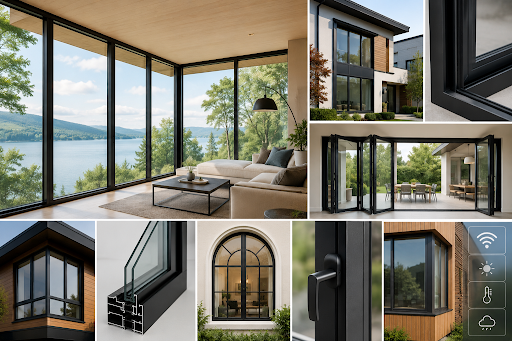
Windows do more than let in light. They shape how a building looks, how much energy it wastes, and how safe and comfortable the people inside feel. Among the many window options available today, system aluminium windows have become a top choice for homeowners, architects, and builders alike. But with so many types, finishes, and specifications on the market, choosing the right aluminium window system can feel overwhelming.
This guide breaks down everything you need to know to pick the best aluminium window system for your project, whether you’re building a new home, renovating an office, or upgrading a commercial space.
What Are System Aluminium Windows?
System aluminium windows are engineered window frames built using standardized aluminium profiles, hardware, and accessories designed to work together as a complete system. Unlike basic aluminium frames, these window systems are developed by specialized manufacturers who test and certify the entire assembly for strength, thermal performance, water resistance, and air tightness.
Because they come as a tested system rather than individual parts, aluminium window systems offer more predictable performance, easier installation, and better long-term reliability. This is why architects and contractors increasingly specify branded aluminium systems for both residential and commercial projects.
Why Aluminium Windows Are a Popular Choice
Before diving into how to choose the right system, it helps to understand why aluminium window systems are so widely used:
- Durability: Aluminium doesn’t rot, warp, or corrode like wood or some plastics, making it ideal for long-term use.
- Strength-to-weight ratio: Aluminium frames are strong yet lightweight, allowing for slimmer profiles and larger glass areas.
- Low maintenance: Unlike timber windows, aluminium systems don’t need regular painting or sealing.
- Design flexibility: Aluminium can be shaped into sleek, modern profiles or classic designs, and is available in a wide range of powder-coated colors and finishes.
- Sustainability: Aluminium is highly recyclable, making these window systems a more eco-conscious choice over time.
These benefits explain why aluminium framing systems are widely used in everything from apartment buildings to high-rise offices and custom homes.
Key Factors to Consider When Choosing an Aluminium Window System
1. Thermal Performance
One common concern with metal window frames is heat transfer. Aluminium conducts heat quickly, which can lead to energy loss if the system isn’t properly designed. This is why thermally broken aluminium window systems exist — they include an insulating barrier between the interior and exterior sections of the frame to reduce heat flow.
If your project is in a region with hot summers or cold winters, always choose a thermally broken system rather than a standard aluminium profile. Check the U-value (a measure of heat loss) provided by the manufacturer; lower U-values mean better insulation.
2. Window Style and Opening Type
Aluminium window systems come in several configurations, each suited to different needs:
- Casement windows: Hinged on one side and open outward, offering excellent ventilation and a tight seal.
- Sliding windows: Space-saving and ideal for areas where outward opening isn’t practical.
- Tilt-and-turn windows: Versatile, allowing both tilting for ventilation and full opening for cleaning or emergency exits.
- Fixed windows: Non-opening panels used purely for light and views, often combined with operable windows.
- Curtain wall and window wall systems: Used in commercial buildings for large glass facades.
Think about how each room will be used, ventilation needs, and the overall architectural style before settling on a window type.
3. Structural and Wind Load Requirements
If you’re building in an area prone to strong winds, storms, or extreme weather, structural performance becomes critical. Aluminium window systems are tested and rated for wind load resistance, water penetration, and air infiltration. Ask your supplier for test certificates and performance data specific to your project’s location and building height, especially for high-rise applications.
4. Glass and Glazing Options
The window frame is only part of the equation — the glazing matters just as much. Most modern aluminium systems support double or triple glazing, and many can accommodate specialty glass such as:
- Low-E (low-emissivity) glass for better insulation
- Laminated glass for added security and noise reduction
- Tinted or reflective glass for solar control
- Acoustic glass for sound-sensitive environments like offices near busy roads
Choosing the right glazing package alongside your aluminium frame system ensures you get the full benefit of energy efficiency and comfort.
5. Finish and Aesthetic Options
One advantage of aluminium window systems is the range of finishing options available. Powder coating is the most common, offering long-lasting color and weather resistance. Anodizing is another popular finish, giving a more natural metallic look while adding corrosion resistance. Some systems also offer wood-grain finishes that mimic timber aesthetics while retaining aluminium’s durability.
When selecting a finish, consider the building’s overall design, local climate (coastal areas need extra corrosion protection), and long-term maintenance expectations.
6. Security Features
Security is a major consideration, particularly for ground-floor windows or accessible openings. Look for aluminium window systems with multi-point locking mechanisms, reinforced frames, and laminated or toughened glass options. Reputable system suppliers often provide security ratings or certifications that indicate resistance to forced entry.
7. Certification and Supplier Reputation
Not all aluminium window systems are created equal. Choose systems from manufacturers who provide proper testing certifications for thermal, structural, and acoustic performance. A reliable supplier should also offer technical support, warranty coverage, and a network of certified fabricators or installers who understand the system’s specifications.
Working with an established brand may cost slightly more upfront, but it reduces the risk of performance issues, warranty disputes, or compatibility problems down the line.
8. Budget and Long-Term Value
While cost is always a factor, it’s important to look beyond the initial price tag. A cheaper aluminium window system might save money now but cost more in energy bills, maintenance, or early replacement later. Consider the total lifecycle cost, including installation, energy savings, durability, and warranty when comparing options.
Final Thoughts
Choosing the right system aluminium windows comes down to balancing performance, design, and budget. Start by identifying your priorities — whether that’s energy efficiency, security, aesthetics, or structural strength — and then compare aluminium window systems that meet those specific needs.
Consulting with an experienced architect, contractor, or window specialist can also help you navigate technical specifications and select a system that’s properly suited to your building’s location, climate, and design goals. With the right aluminium window system in place, you’ll get a combination of durability, style, and performance that stands the test of time.