 By
By 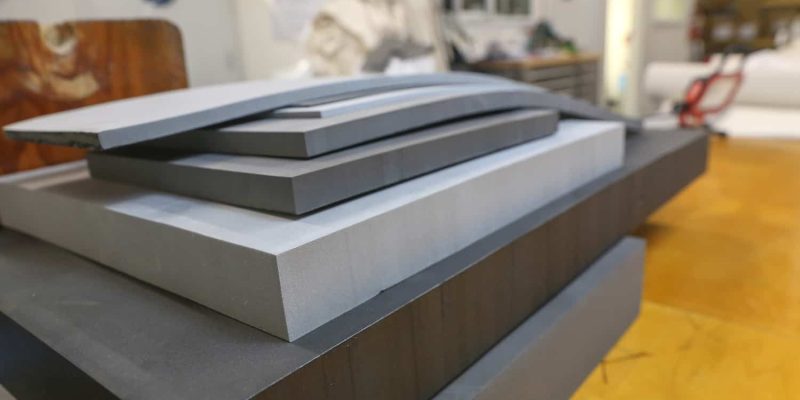
In today’s fast-moving industrial and consumer markets, packaging is no longer just about enclosing a product—it is about protection, presentation, durability, and customer satisfaction.
As products travel longer distances and face multiple handling stages, the demand for reliable protective packaging materials has increased significantly. Among the many materials available, EVA foam has emerged as one of the most effective and versatile solutions.
This article explores why EVA Foam for packaging has become an essential component of modern protective packaging systems across industries.
Understanding EVA Foam and Its Composition
EVA foam, or Ethylene Vinyl Acetate foam, is a closed-cell foam material known for its lightweight structure, flexibility, shock absorption, and durability. It is produced by blending ethylene and vinyl acetate, resulting in a foam that combines rubber-like softness with plastic-like strength.
Unlike traditional packaging materials such as thermocol or rigid plastics, EVA foam offers controlled cushioning, making it ideal for protecting delicate, high-value, or precision products.
The Growing Need for Advanced Protective Packaging
Modern packaging faces challenges that did not exist a decade ago. Products are now shipped globally, stored for longer periods, and handled by automated systems. This increases the risk of:
- Impact damage
- Surface scratches
- Vibration-related wear
- Moisture exposure
To address these challenges, businesses are shifting toward advanced materials like EVA Foam for packaging, which offers superior protection without adding excessive weight or bulk.
Key Benefits of EVA Foam for Packaging
1. Excellent Shock Absorption
One of the primary reasons EVA foam is widely used is its high impact resistance. The foam absorbs shocks and vibrations during transportation, ensuring that products remain intact even under rough handling conditions.
This makes it ideal for packaging electronics, tools, medical equipment, and fragile consumer goods.
2. Lightweight Yet Strong
EVA foam is extremely lightweight, which helps reduce overall shipping costs. Despite its low weight, it provides exceptional structural integrity, ensuring products are well-protected without increasing logistics expenses.
For export-oriented businesses, EVA Foam for packaging helps maintain protection while keeping freight costs under control.
3. Customizable for Precision Fit
EVA foam can be easily cut, molded, or fabricated into custom shapes. This allows manufacturers to design tailor-made inserts that perfectly fit the product’s dimensions.
Custom EVA foam packaging prevents product movement inside boxes, reducing the risk of internal damage and enhancing unboxing experience.
4. Water and Moisture Resistance
Unlike paper-based or open-cell materials, EVA foam is water-resistant. It does not absorb moisture, making it suitable for packaging products exposed to humid environments or long shipping durations.
This property makes EVA foam particularly useful for industrial components, marine equipment, and export packaging.
5. Durable and Reusable
EVA foam has a long lifespan and does not easily deform under repeated use. Many industries prefer EVA foam packaging because it can be reused multiple times without losing its protective properties.
This durability adds long-term value and reduces packaging replacement costs.
Applications of EVA Foam in Modern Packaging
Electronics and Electrical Components
Electronic devices are sensitive to shock, vibration, and static pressure. EVA foam provides the ideal cushioning needed to protect components such as circuit boards, instruments, and accessories.
Automotive and Industrial Parts
Heavy-duty industrial parts require packaging that can withstand pressure while preventing surface damage. EVA foam inserts help secure tools, machine components, and spare parts during transport.
Medical and Healthcare Products
In the medical industry, product safety is critical. EVA foam packaging ensures that diagnostic equipment, instruments, and devices remain sterile, secure, and damage-free.
Consumer Goods and Luxury Products
Luxury items benefit from both protection and presentation. EVA foam enhances the premium look of packaging while keeping products safe, making it a preferred choice for high-end consumer goods
EVA Foam vs Traditional Packaging Materials
When compared to materials like thermocol, cardboard fillers, or bubble wrap, EVA foam stands out due to:
- Better cushioning performance
- Higher durability
- Cleaner appearance
- Custom-fit capability
- Longer usability
As a result, more businesses are replacing conventional materials with EVA Foam for packaging to meet modern quality standards.
Sustainability and Cost Efficiency
Although EVA foam is a synthetic material, its reusability and long service life contribute to reduced material waste. Many manufacturers also optimize foam usage through precision cutting, minimizing scrap and improving cost efficiency.
For companies focused on balancing protection, sustainability, and cost, EVA foam offers a practical and reliable solution.
Why Businesses Are Switching to EVA Foam Packaging
Modern brands prioritize product safety, customer experience, and brand reputation. Damaged goods lead to returns, complaints, and financial losses. EVA foam packaging minimizes these risks by offering consistent protection across the supply chain.
By investing in EVA Foam for packaging, businesses can ensure:
- Reduced product damage
- Lower return rates
- Improved brand trust
- Enhanced packaging aesthetics
Conclusion
As packaging requirements continue to evolve, choosing the right protective material has become crucial for business success. EVA foam has proven itself as a high-performance, versatile, and reliable packaging solution that meets the demands of modern industries.
From shock absorption and durability to customization and moisture resistance, EVA Foam for packaging delivers unmatched value across applications. For manufacturers, exporters, and brands seeking dependable protective packaging, EVA foam is no longer an option—it is an essential component of modern packaging strategies.