 By
By 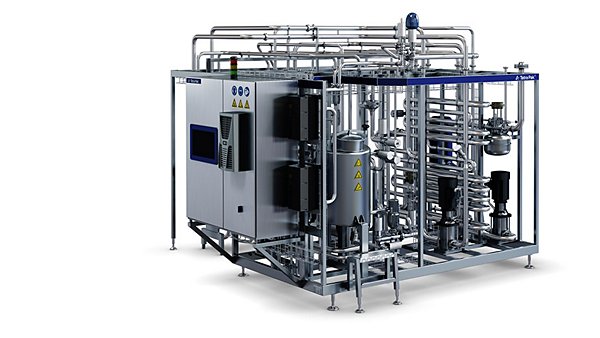
Milk comes out of the farms with its own risks of contamination, along with the natural process of separating creams. Processing all these issues comes with its own techniques. What makes pasteurized different from homogenized is the aspect of bacteria removal versus the distribution of fats.
Homogenized vs pasteurized milk differences affect textures and safety levels. The role of Milk Pasteurization Machine Manufacturers in such aspects is very important for industrial-level Food Processing Machinery. It is important to understand such processes for consumers to make a well-informed choice for dairy products.
Heat Kills the Bad Guys: Pasteurization Basics
The process of pasteurization merely heats milk enough to destroy harmful bacteria but not cook the milk product entirely. This system was developed by Louis Pasteur a number of years ago as one of the earlier methods for extending the shelf life of milk products safely.
According to the CDC, raw milk carries risks from pathogens such as E. coli and Salmonella in reports dated 2023. In high-temperature short-time systems, the process reaches 161°F for 15 seconds.
Families trust it for safer drinking straight from cartons. Milk Pasteurization Machine Manufacturers build reliable units for factories worldwide. This step focuses on health protection above all else. Check local suppliers for quality pasteurized options today.
Fat Stays Mixed: Homogenization Explained
Homogenization forces the milk through small nozzles at high pressure of about 2,500 pounds per square inch. The fat molecules are reduced in size so that cream will not rise to the top. Shoppers see smooth texture in every jug without shaking required. This treatment happens after pasteurization in most cases for uniform taste.
Dairy plants rely on precise equipment for consistent results every batch. The difference between pasteurized and homogenized milk shows in visual appeal alone. Homogenized vs pasteurized milk debates often overlook this smoothness factor. Try smooth milk in your next coffee for the full effect.
What is the Difference Between Pasteurized and Homogenized Milk?
Pasteurization targets germs through controlled heating while homogenization prevents fat separation via pressure. Many mix them up since both improve milk quality differently. Heat safeguards health; pressure ensures even texture throughout. Labels often list both without explaining much.
Spot the difference between pasteurized and homogenized milk by checking if cream floats or stays blended. Homogenized vs pasteurized milk facts guide smarter shopping trips every day. Milk Pasteurization Machine Manufacturers support these vital steps in factories.
Cream on Top Feels Old-School: Taste Impacts
Non-homogenized milk develops a rich cream layer after standing overnight. Fans savor skimming it for coffee or cooking uses. Pasteurized versions alone keep risks low but allow separation naturally. Homogenized milk delivers uniform flavor in every sip without surprises.
Taste tests from consumer reports in 2025 prefer blended types for cereals. The difference between pasteurized and homogenized milk shines in mouthfeel contrasts clearly. Homogenized vs pasteurized milk preferences split households neatly.
Why is Homogenized Milk Better than Pasteurized?
Homogenized milk distributes fat well to reduce pouring problems. Pasteurization destroys bacteria, and this makes creams remain floating without homogenization. Homogenization makes texture better, ideal for shakes and recipes. Surveys reveal that 78% of consumers choose homogenized milk out of 2025 samples.
Pasteurized and Homogenized Milk disparity is an aspect that makes kitchens consistent. Homogenized vs pasteurized milk leans toward blended for most families. Milk Pasteurization Machine Manufacturers enable this preferred finish reliably. Switch to homogenized for your morning routine today.
Equipment Powers the Dairy World Quietly
High-pressure pumps define homogenization stages in plants everywhere. Pasteurizers employ plate heat exchanges for rapid temperature surge accuracy. Maintaining the bacteria number below 10,000 per ml is safely conducted. Advanced pasteurization lines proceed at 100,000 liters per hour.
Milk Pasteurization Machine Manufacturers supply durable models for global needs steadily. The difference between pasteurized and homogenized milk stems from these machines directly. Homogenized vs pasteurized milk quality traces back to tech reliability.
- Key machine features include stainless steel builds.
- Automated sensors monitor flows constantly.
- Energy-saving designs cut operational costs yearly.
Upgrade dairy knowledge with machine insights first.
Can Someone Drink Milk that Hasn’t Been Homogenized?
Non-homogenized milk tastes creamier with a top layer to skim fresh. Pasteurization still makes it safe from most germs effectively. Shake well before pouring to mix fats back evenly. Artisanal brands sell it for purists seeking natural feels. The difference between pasteurized and homogenized milk allows this choice freely.
Homogenized vs pasteurized milk options expand tastes beyond uniform jugs. Milk Pasteurization Machine Manufacturers support varied production lines smartly. Hunt for cream-top milk at farmers markets nearby.
Pick Your Milk Match with Confidence Now
Pasteurization protects health. Homogenization ensures smooth pours. Both turn farm-fresh milk into reliable shelf staples. Check labels for smart choices. Difference between pasteurized and homogenized milk informs buyers. Homogenized vs pasteurized milk clarity ends checkout confusion. Milk Pasteurization Machine Manufacturers support it all.
| Aspect | Pasteurized Milk | Homogenized Milk |
|---|---|---|
| Main Goal | Eliminate harmful bacteria and pathogens. | Prevent cream separation for a uniform texture. |
| Process | Heating milk to a specific temperature for a set time. | Forcing milk through small pores at high pressure. |
| Texture & Appearance | Natural; cream may rise to the top over time. | Smooth, creamy, and consistently white. |
| Shelf Life | Extended (typically 2–3 weeks refrigerated). | No change to shelf life (depends on pasteurization). |
| Process Temperature | 161°F (72°C) for 15 seconds (HTST method). | Mechanical pressure; usually no additional heat. |
| Health & Safety | Primary focus is safety and disease prevention. | Primary focus is mouthfeel and consistency. |
Conclusion
Pasteurization safeguards health by eliminating harmful bacteria effectively. Homogenization delivers smooth consistent texture in every glass poured. Together they convert fresh farm milk into dependable store favorites lasting weeks. Savvy shoppers scan labels to match treatments with family needs precisely. Dairies invest in advanced machines maintaining top quality standards.
Grasp the difference between pasteurized and homogenized milk for confident selections each visit. Homogenized vs pasteurized milk insights eliminate checkout doubts swiftly. Milk Pasteurization Machine Manufacturers fuel this vital sector reliably.